
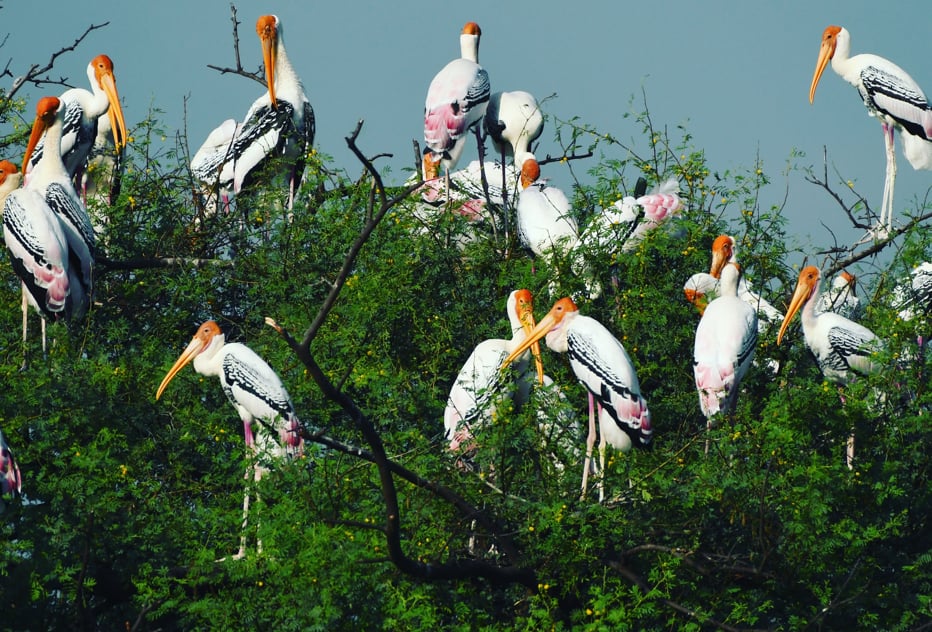
KeoladeoNational Park
Situated at the confluence of the Gambhir and Banganga rivers in the Bharatpur district of Rajasthan, the sanctuary was originally a natural depression prone to seasonal flooding. Over a period of time it developed into a lush, thriving system of freshwater marshes that attracted a large and diverse population of migratory birds. The Maharajas of Bharatpur added some bunds (dykes) and developed it as a duck shooting reserve. You can see the list of their exploits inside the park.
Thousands of kilometres, to a 29 km² marsh
Every October, birds from Siberia, Mongolia and the Tibetan Plateau come down the Central Asian Flyway to winter at Keoladeo. Some go around the Himalayas, and some fly straight over them.
The flocks are on their way south. Pick a bird to fly its route.
- 29 km²
- 1981
- 1985
- Oct – Mar
Exploring the park
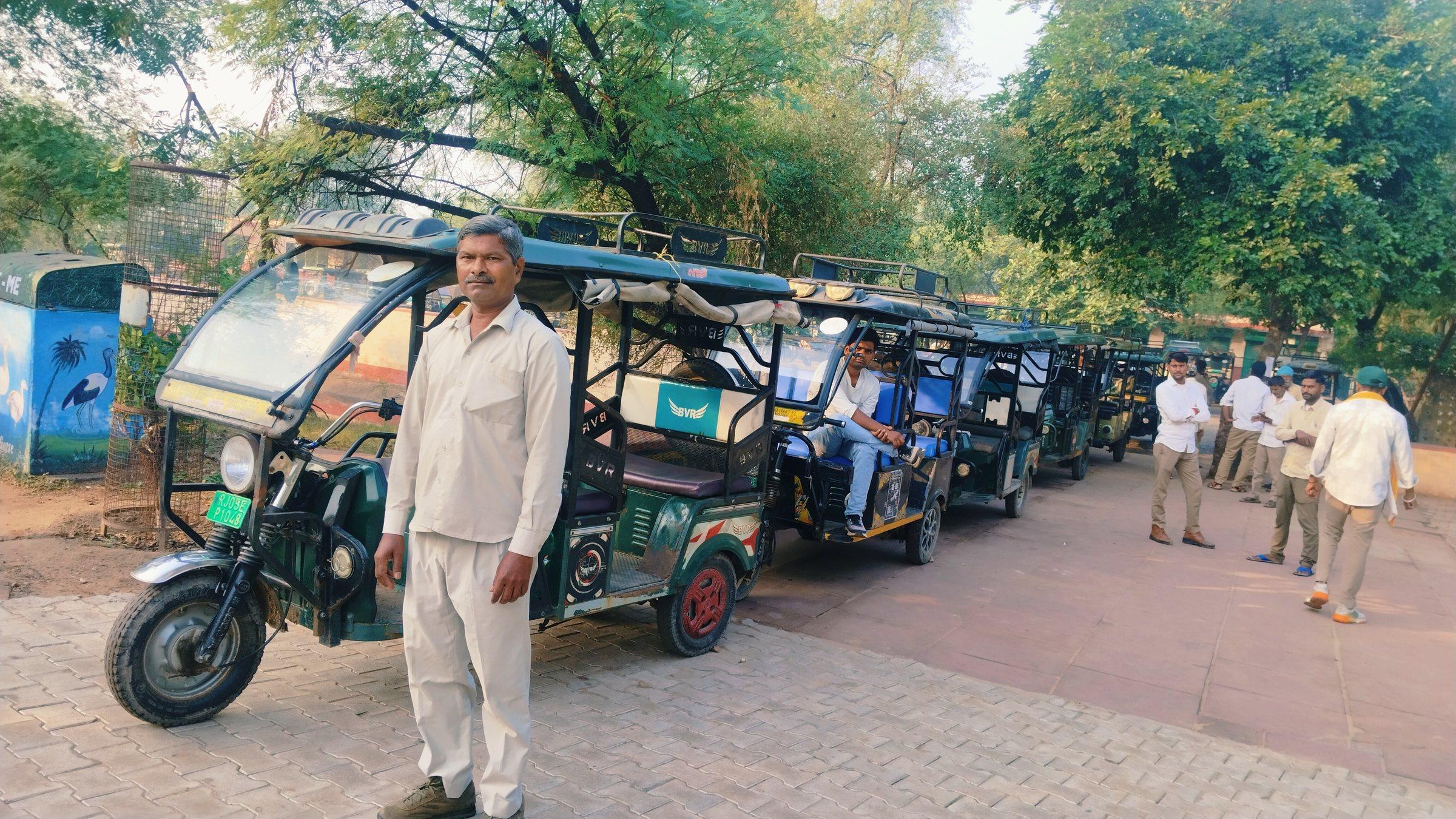
A short straight road from the main gate takes you past the barrier, from where the core area begins, to the centre of the park. Apart from the conventional method of exploring the park on foot, we can also arrange a bicycle, though the most preferred mode is an e-rickshaw tour. Earlier these tours were by cycle rickshaw; these days they are by e-rickshaw. Our handpicked rickshaw guides double up as excellent naturalists. Since they have been going to the park almost every day for years, they are the ones who have the most recent updates about good breeding areas and where to find particular birds.
E-rickshaw
The most preferred way in: handpicked rickshaw guides who double as naturalists.
On foot
The conventional way, walking the designated tracks with a resident naturalist.
Bicycle
We can arrange bicycles for guests who like to explore at their own pace.
Boat
After a good monsoon, a leisurely boat ride close to the nesting sites. (Subject to water levels in the park.)
The monsoon brings the nesting season
The annual monsoon brings with it bird life from all over the country to Keoladeo National Park, the World Heritage site here in Bharatpur, Rajasthan. This season the Park is looking stunning. It is lush green and the lakes are full of water.
Hundreds of exotic birds have started to breed; their nesting homes are the Babool and Kadam trees of the Park. For the first time in 10–12 years water is pushing through the Ajan Bandh and filling the entire Keoladeo wetland right up to the Park entrance.
With the assurance of enough food and water, hundreds of Cormorants (three species), Darters, Purple and Grey Herons, Egrets, Storks (Painted, Open-billed, White and Black-necked) as well as a plethora of other birds are busy courting and mating. The trees are currently overflowing with nests that resemble a pearl necklace, with some housing up to 60–70 nests each belonging to different species of birds looking after their young chicks.
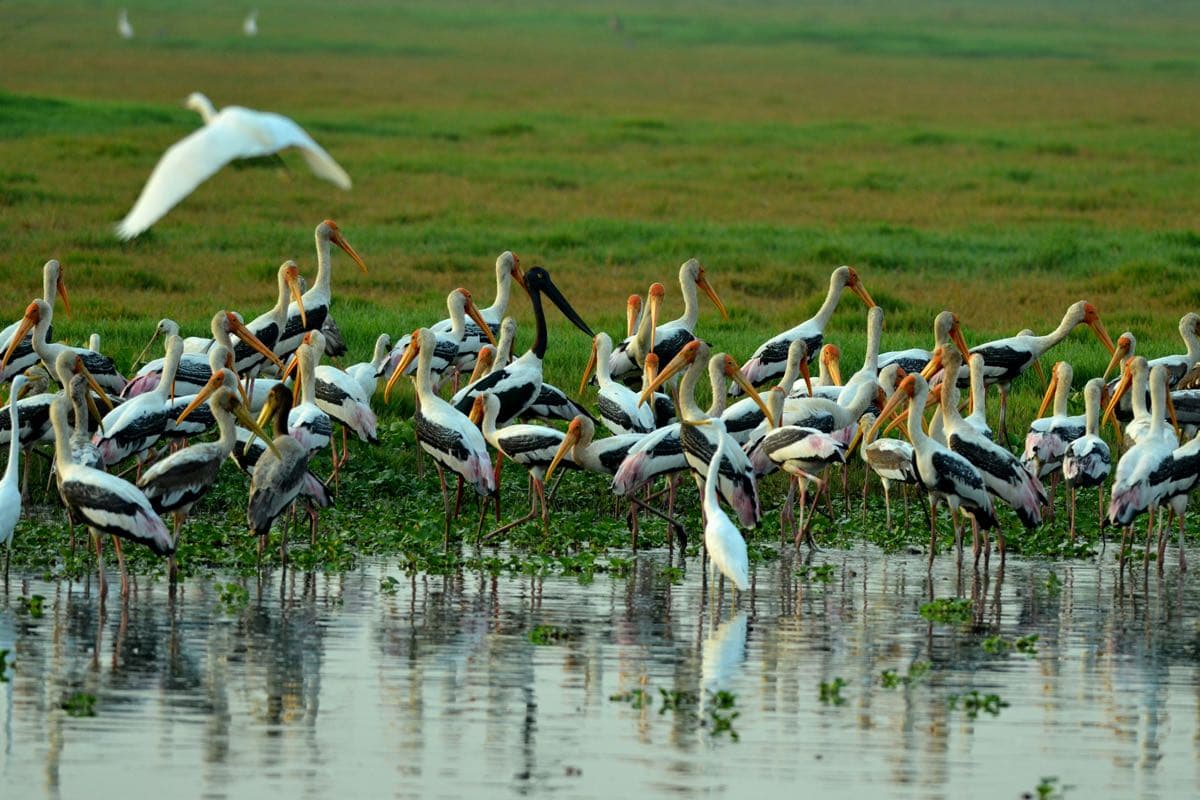
The monsoon is also when the graceful Sarus Crane, the world’s tallest flying bird, nests in the Park. Pairs can often be seen dancing and calling across the flooded marshes.
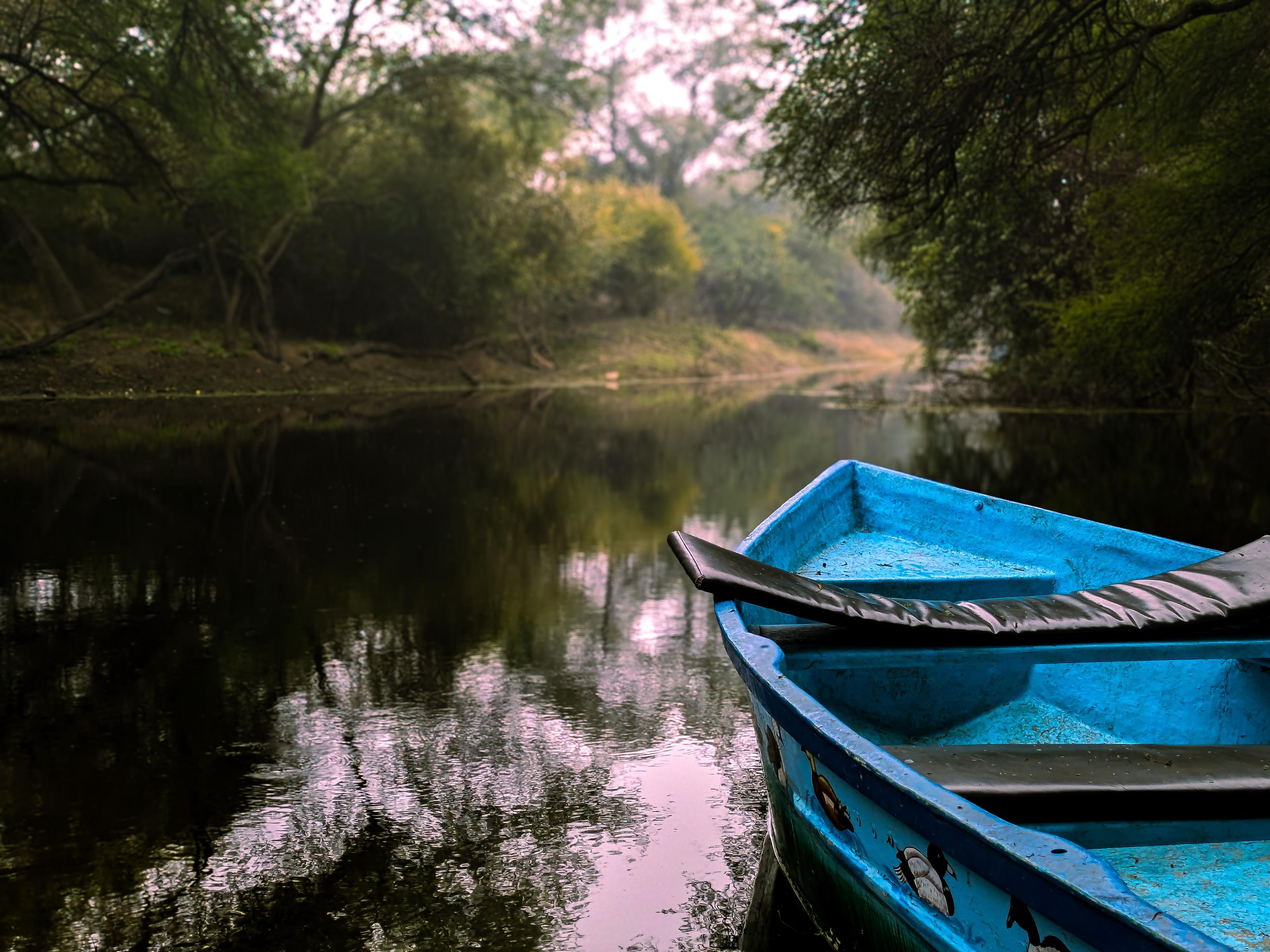
By boat, after a good monsoon
In the event of a good monsoon, you also have the option of taking a leisurely boat ride. Boating gives you close access to nesting sites and is extremely rewarding for photography. Each gives a unique dimension to the Keoladeo experience. To explore the birdlife at nearby Ajan Bund reservoir and Bandh Baretha, a taxi can be arranged. (Subject to water levels in the park.)
Stay a stone’s throw from the park gate
Tariffs are shared on request. Send us your dates and we’ll reply with the current rates and availability.